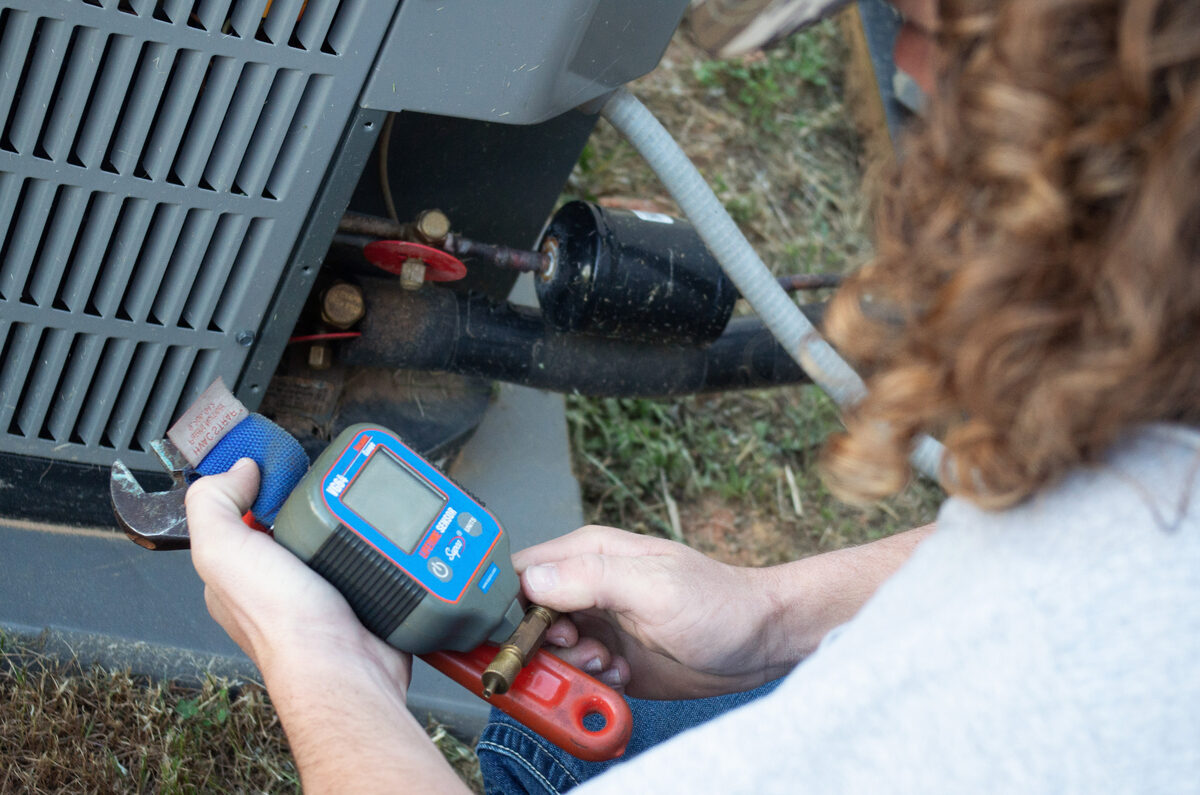
Practical Ways Homeowners Can Plan, Stage, and Validate an HVAC Upgrade
First, scope your comfort goals before touching equipment choices, because a clear brief guides every heating and cooling decision. Define temperature bands you expect in peak seasons, zones that struggle, and noise thresholds you’ll tolerate. Document room sizes, insulation levels, window exposures, and infiltration trouble spots. This baseline helps you assess whether repairs, right-sizing, or a phased replacement will yield the best return without overbuilding or missing persistent hot and cold pockets.
Next, assess the building shell to avoid masking structural gaps with oversized systems. Air sealing, attic insulation, and shading strategies can reduce loads significantly, allowing smaller, quieter solutions. Verify duct integrity with a pressure test if possible, since leaks can waste energy and undermine comfort. In practice, fixing envelope and duct issues first can simplify later choices across HVAC, from AC Installation to Ductless Mini Split options.
Meanwhile, align your equipment selection with climate patterns and lifestyle rhythms. If you travel often, programmable controls and zoning may matter more than peak capacity. For mixed climates, Heat Pumps can provide efficient heating and cooling when matched to regional temperature swings. Beyond that, think about outdoor unit placement to buffer noise, clear snow or yard debris, and preserve service access for future technicians.
Often, homeowners underestimate electrical readiness and condensate management, which can stall projects. Inspect panel capacity, breaker spaces, and wire routes early, and validate grounding and disconnect locations. Then, plan condensate drainage or pumps with redundancy to prevent backups in finished areas. These steps reduce rework, keep installations neat, and support clean handoffs when multiple trades touch the same mechanical space.
However, sizing remains the crossroads where comfort, cost, and durability intersect. Request a load calculation that reflects room-by-room demands rather than relying on rule-of-thumb tonnage. Calibrate expectations for humidity control, since latent load handling depends on airflow and coil performance. Sequence duct revisions, filter choices, and blower settings together, so airflow targets are achievable and don’t undermine Indoor Air Quality through bypass or pressure imbalances.
Beyond that, stage your project timeline around seasonal volatility to buffer lead times and avoid emergency decisions. Spring and fall shoulder periods can provide scheduling flexibility and allow careful commissioning. Validate that permits, inspection windows, and utility coordination are arranged in advance. If you’re bundling Furnace Installation with cooling work, phasing both can reduce total visits, wall penetrations, and disruption inside living spaces.
Then, refine your maintenance plan while the system design is still on paper. Specify filter sizes that are easy to source and replace, and document thermostat settings that support dehumidification and setback strategies. Maintain a log of model numbers, thermostat PINs, and install photos for future reference. HVAC Maintenance routines should include coil cleaning intervals, drain checks, and airflow verification to keep systems within design parameters.
Additionally, vet service access clearances around air handlers, furnaces, and outdoor units to prevent cramped work conditions. Inspect whether attic platforms, lighting, and catwalks are safe for technicians. Validate that shutoff valves, unions, and service ports are reachable without dismantling finishes. This forethought lowers service times during AC Repair or Furnace Repair and minimizes the risk of damage to ceilings or stored belongings.
Finally, confirm airflow delivery at the register level after startup, not just at the equipment cabinet. Measure supply temperatures, listen for whistling that indicates restriction, and feel for uneven throw into larger rooms. Adjust dampers, balance returns, and verify thermostat placement away from drafts or direct sun. This commissioning punch-list helps the system reach intended performance and reduces callbacks or frustrating comfort complaints.
Ultimately, treat your mechanical room as an evolving asset rather than a one-time project. Document warranty terms, label shutoffs, and photograph critical connections. Validate that any future upgrades—like zoning, filtration enhancements, or IAQ accessories—have reserved space and power. With this mindset, you’ll be prepared whether you pursue Furnace Repair in midwinter, upgrade controls later, or add a Ductless Mini Split to serve a new home office.